
Most people don’t think about their underground pipes until something goes wrong. A blockage that won’t clear. A persistent smell. A section of the garden that stays wet no matter how dry the weather is. When a plumber tells you your sewer or stormwater pipe is damaged, the next question is always the same: What does fixing it actually involve?
Two options come up in almost every conversation: pipe relining or excavation. Understanding how they differ and when each one is appropriate helps you make a more informed decision when the time comes.
What Is Pipe Excavation?
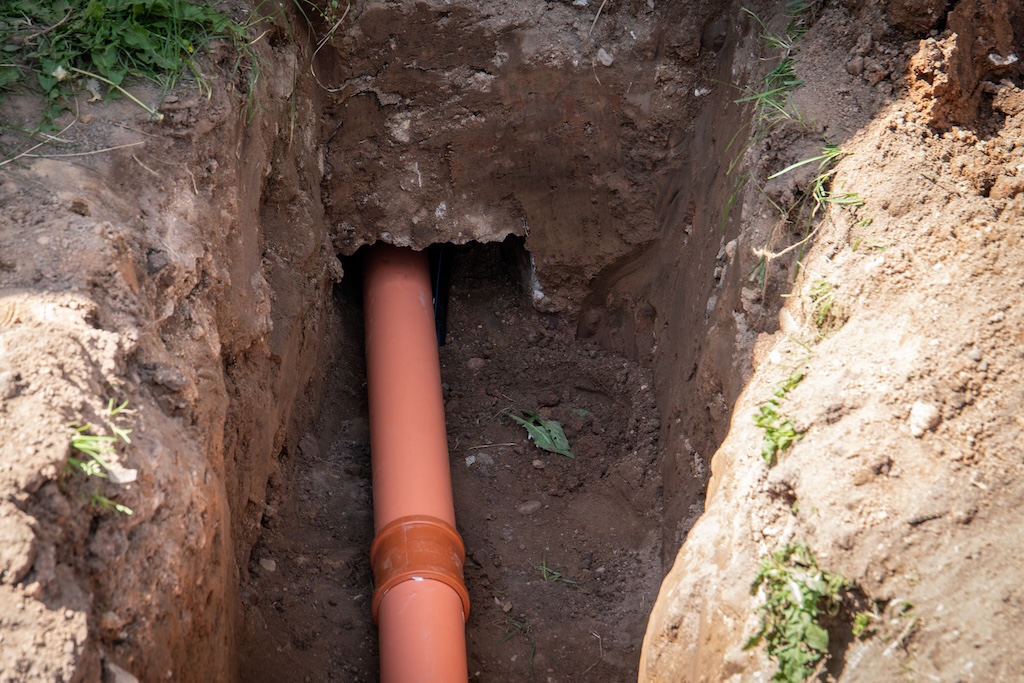
Traditional excavation is exactly what it sounds like. A trench is dug down to the damaged pipe, the old pipe is removed, and a new pipe is installed in its place. For certain situations, this is genuinely the right call. Pipes that have completely collapsed, sections that have shifted significantly out of alignment, or areas where severe root intrusion has destroyed the pipe wall may require full replacement rather than repair.
The downside is what the process involves for your property. Excavation means breaking up concrete paths, lifting pavers, digging through garden beds, or, in some cases, cutting into driveways. Reinstatement work to restore your yard and surfaces adds to both the time and the overall cost of the job.
What Is Pipe Relining?
Pipe relining is a method that repairs damaged pipes from the inside without digging up your yard. A flexible liner saturated in resin is inserted into the existing pipe and expanded against the inner wall. Once the resin cures, it creates a new pipe within the old one. The result is a smooth, structurally sound surface that seals cracks, gaps, and areas where joints have separated.
Access points are typically existing inspection openings or small entry points rather than full trenches. The pipe does not need to be removed, which means your garden, driveway, and concrete surfaces stay intact.
The cured liner is resistant to root intrusion, which makes it particularly effective for older properties where recurring tree root blockages are a persistent problem. Once in place, the relined section functions as a continuous pipe without joints for roots to penetrate.
Why Sydney Homes Are Well Suited to Pipe Relining
Sydney’s older suburbs carry a specific set of drainage challenges. Houses built from the Federation era through to the 1980s were typically plumbed with clay or concrete pipes. These materials served their purpose for decades, but they crack over time, allow joint separation as soil shifts, and provide no resistance to root intrusion from the large established trees common in inner city and older suburban streets.
In areas like the Inner West, Sutherland Shire, and the Northern Beaches, many homes sit on properties with mature tree canopies that have been growing for 50 or more years. Root systems follow moisture and nutrients directly into pipe joints. Once inside, roots continue to grow, catching debris and eventually causing full blockages or structural damage.
Pipe relining addresses this problem without disturbing the established landscaping that often contributes to the character and value of these properties. It is also well-suited to situations where pipes run under concrete slabs, established paths, or shared boundary areas where excavation would be complicated.
How Do You Know Which One You Need?
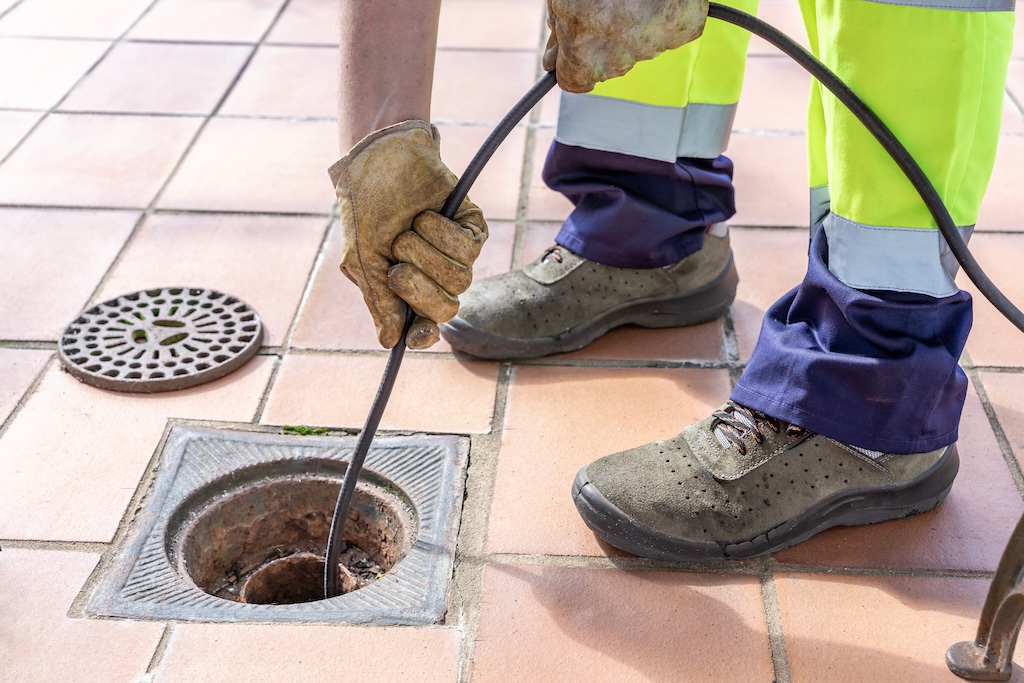
A CCTV drain inspection is the starting point for any honest assessment. A small camera is fed through the pipe to provide a clear view of what is actually happening inside. This removes the guesswork and ensures the recommendation you receive is based on what the pipe looks like rather than what is assumed.
Relining is appropriate for pipes with cracks, gaps, root intrusion, or joint separation where the pipe is structurally present but compromised. Excavation becomes necessary when a pipe has collapsed, shifted severely, or when the access conditions make relining impractical. Many jobs involve a combination of both approaches, with relining used for the sections that qualify and targeted excavation limited to areas that genuinely require it.
Getting Drainage Advice You Can Trust
Fast Response Plumbing provides drainage and pipe relining services for Sydney homeowners across the metropolitan area, from the Northern Beaches through to Western Sydney and the Macarthur region. Our team carries out CCTV inspections to assess exactly what is happening inside your pipes before recommending any course of action.
We clearly explain what we find, provide upfront pricing before work begins, and carry out relining and drainage repairs to a standard that is built to last. If your drains have been giving you trouble or you have been told your pipes need attention, a proper inspection is the right place to start.
Contact Fast Response Plumbing to arrange a CCTV drain inspection and get a clear picture of what’s happening under your property.