
A slow drain is easy to ignore. So is a smell you notice occasionally but can’t quite track down, or a toilet that takes a bit longer to clear than it used to. These things feel minor in isolation, which is exactly why drainage problems tend to be dealt with later than they should be.
The challenge is that drainage issues rarely stay minor for long. What starts as a partial blockage can develop into a full blockage, a sewage overflow, or, in older homes, evidence of structural damage to the pipe itself. Knowing what to watch for and when to act makes a real difference to how the situation resolves.
Signs That Are Worth Paying Attention To
Water that drains slowly from a single fixture is often the first sign that something is building inside the pipe. In bathroom basins and showers, hair and soap residue are the usual culprits. In kitchen sinks, grease and food waste accumulate over time and reduce flow. A single slow fixture that responds to simple clearing methods may not be a significant concern, but a fixture that stays slow despite your best efforts is telling you something.
When multiple fixtures in your home drain slowly at the same time, the dynamic changes completely. If your kitchen sink, bathroom basin, and shower all seem sluggish, the problem is not at the individual fixture level. It is further down the drainage system, likely in the main sewer line. This is a job for professional equipment and investigation.
Gurgling sounds from drains after you use other fixtures are a reliable indicator of a partial blockage or drainage problem. The sound is caused by air being displaced through the drainage system in places it shouldn’t be. Hearing your toilet gurgle after your washing machine finishes a cycle, or noticing your basin gurgle after your shower drains, warrants proper investigation.
A sewage smell inside your home is never something to dismiss. Drains are designed to keep sewer gases outside your living space through water traps and venting. If you can smell sewage in your bathroom, laundry, or kitchen, there is either a dry trap, a blockage affecting the system’s venting, or a more serious problem with the drainage line itself. Any persistent sewage smell indoors needs to be assessed by a licensed plumber.
Water surfacing in your yard is a sign that the drainage system is under pressure it cannot handle. If you notice wet patches that appear when you are not irrigating, water pooling around a downpipe inspection opening, or sewage surfacing on the surface, call a plumber promptly. These are not situations that resolve themselves.
What Professional Diagnosis Involves
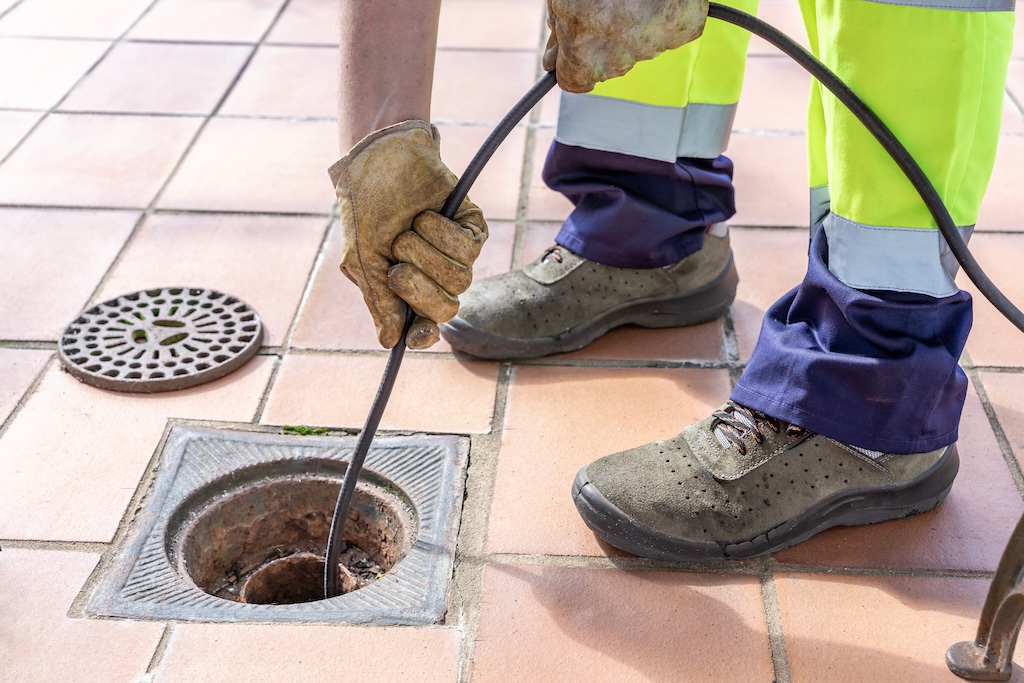
A licensed plumber investigating drainage problems has access to tools that make an accurate diagnosis possible without guessing. High-pressure water jetting clears blockages effectively and is far more thorough than manual methods or chemical drain cleaners. CCTV drain cameras are fed through the pipe to provide a real-time view of what is inside, whether that is a grease accumulation, tree root intrusion, a joint that has separated, or a section of cracked pipe.
The camera inspection matters because it determines the next steps. A simple blockage from grease or debris usually clears with jetting and requires no further work. Root intrusion indicates a recurring problem that will come back unless the underlying pipe condition is addressed. Cracked or damaged pipes require repair, and knowing the extent of the damage before any work begins ensures the solution is appropriate and that pricing is accurate.
How Quickly Drainage Problems Escalate
A partial blockage that restricts flow can lead to a complete blockage within days or weeks, particularly in older clay or concrete pipes where debris catches easily on rough surfaces or at joints. A complete blockage means no drainage until it is cleared, and if that occurs in the main sewer line, it affects every fixture in your home.
In homes with older pipe systems, what presents initially as a recurring blockage often reflects underlying structural damage. Cracks and joint gaps allow soil and roots to enter the pipe, which accelerates debris accumulation and eventually leads to more significant damage. Catching and addressing the root cause early is almost always less disruptive and less costly than dealing with a pipe that has deteriorated beyond repair.
Drainage Services for Sydney Homeowners
Fast Response Plumbing can handle blocked drain clearing, high-pressure jetting, CCTV camera investigations, and pipe relining for Sydney residential properties. We cover the metropolitan area, including the Inner West, Northern Beaches, Sutherland Shire, Western Sydney, and the Macarthur region.
When you contact us about a drainage problem, we assess what’s happening rather than defaulting to the most expensive solution. Upfront pricing is provided before any work begins, and we explain our findings in plain language so you understand the situation and can make an informed decision.
If your drains show any of the warning signs above, professional assessment is worth getting sooner rather than waiting to see how things develop. Give Fast Response Plumbing a call, and we will help you get a clear picture of what is going on.